10‑4, Hammer Down, and the Real Cost of CB Talk
You’ll learn what the most common CB phrases actually signal and how they affect your bottom line. Most guides gloss over the trust factor, leaving newcomers vulnerable to scams and wasted miles.
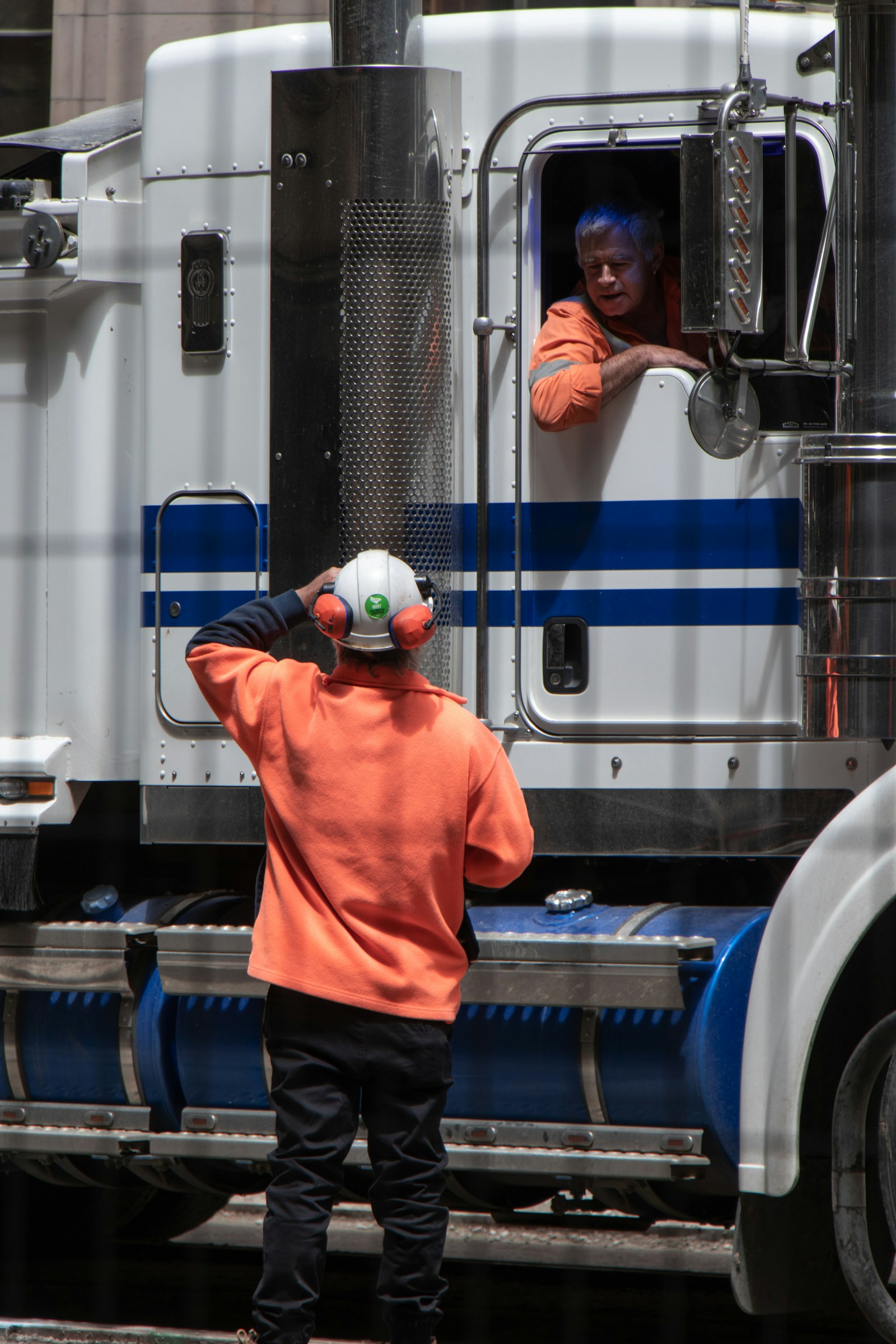
The CB is a lifeline and a liability in the same breath; a misunderstood “10‑4” can mean a cleared lane or a missed checkpoint, and that split‑second ambiguity often decides whether a driver makes a delivery on time or ends up paying a detention fee. Newbies hear the chatter, nod, and keep trucking, only to discover later that a misplaced “Hammer Down” invitation was a covert test of their speed limits, resulting in a ticket that outweighs any fuel savings. Every mile logged without a clear signal adds risk, and risk translates directly into dollars—whether it’s a busted axle from a bad turn or a missed load because a dispatcher never heard the call. The real tension lies in balancing camaraderie with caution, because the highway rewards honesty but punishes careless radio etiquette. Understanding the code before you flip the switch can keep your rig moving and your wallet intact.
What does “10‑4” really mean for a trucker?
Most drivers think “10‑4” is a generic affirmation, but on the open road it often confirms a specific action, like a safe passing or a cleared hazard ahead. When a fellow hauler says “10‑4, I’m pulling over,” the expectation is that the lane will be vacated within a few seconds, not that the driver will simply acknowledge the request. Ignoring that nuance can force a sudden lane change, raising the likelihood of a side‑swipe that insurance may not fully cover.
Seasoned rigs use “10‑4” to negotiate right‑of‑way at weigh stations, turning a vague nod into a timed maneuver that spares everyone a bottleneck. A driver who treats the phrase as optional may linger, causing a line that stalls dozens of trucks and triggers detention charges that can climb into the low hundreds per hour. The phrase becomes a contract spoken in Morse‑like brevity, and breaking it invites both traffic snarls and monetary penalties.
Why the “Hammer Down” myth costs you more than fuel
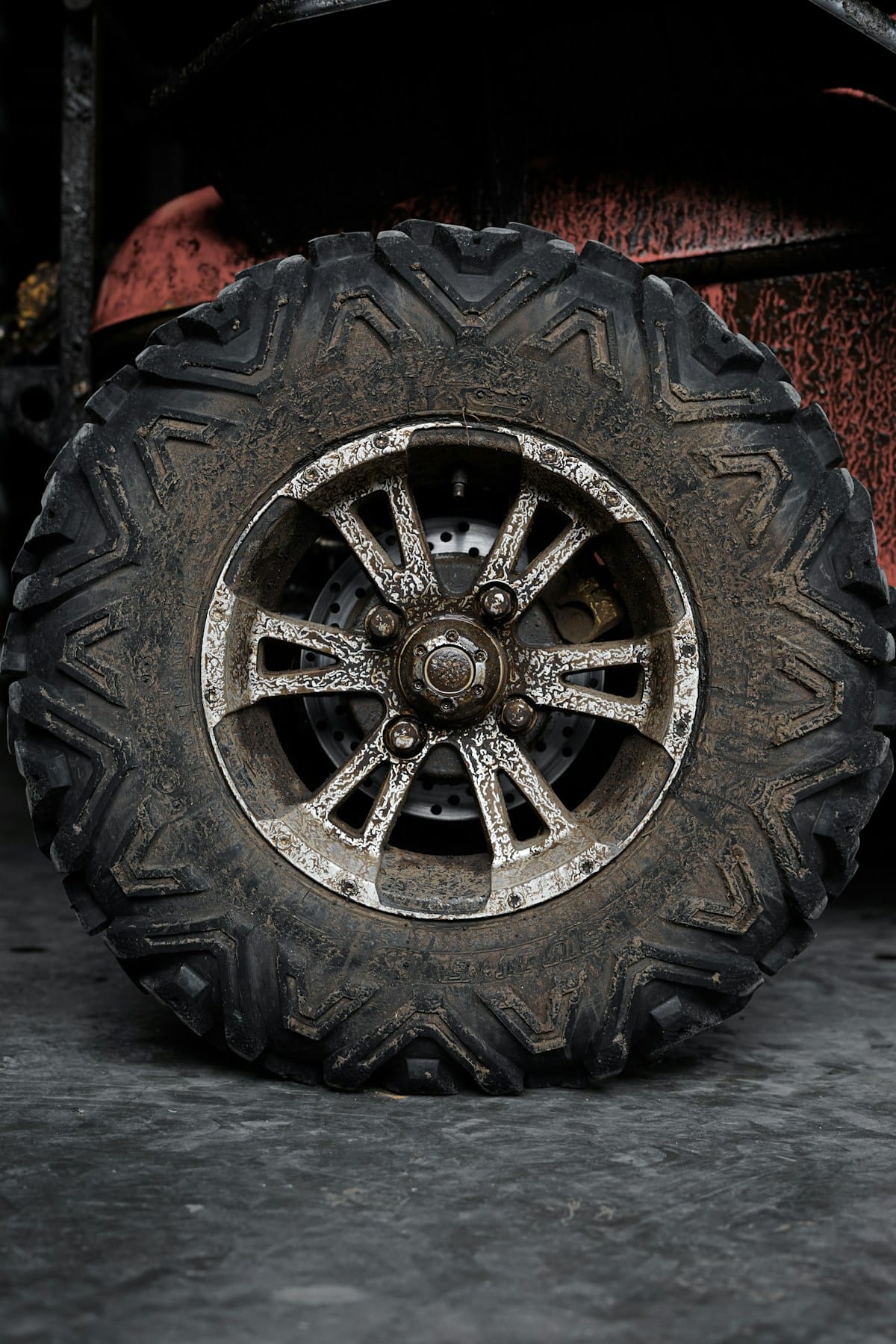
The romanticized image of a “Hammer Down” sprint across the interstate masks a hidden expense: higher tire wear, increased brake heat, and a greater chance of a blown fuse in the power take‑off. A single aggressive burst can shave a few seconds off a schedule, but the ensuing maintenance bill often dwarfs the time saved. Mechanics report that a driver who habitually obeys “Hammer Down” orders sees tread depth erode by a full millimeter faster than a peer who respects posted speed limits.
Moreover, dispatchers sometimes use the phrase as a test of compliance, not as an invitation to break the law. A driver who obeys without confirming the speed limit risks a citation that carries a fine ranging from a few hundred to well over a thousand dollars, depending on state statutes. The financial hit from a single ticket plus the downstream repair work can outweigh the profit margin of the load by a comfortable margin.
Can a friendly CB chat protect you from a busted tire?
When a driver radios “Got a flat on mile marker 212, need assistance,” the response often comes from a nearby rig that knows the exact location of the nearest service bay. This real‑time intel can shave hours off a detour that would otherwise force a call to the carrier’s dispatch center, where response times lag behind the road’s pace. The difference between a timely tip and a delayed one can be the cost of a rented tow truck, which typically starts in the low three‑figure range.
However, trust is earned, not assumed; a driver who habitually offers vague “I’ll check” without following up erodes the network’s reliability. When the community sees a pattern of empty promises, the willingness to share critical updates dwindles, leaving everyone to fend for themselves in emergencies. Building a reputation for follow‑through turns casual chatter into a safety net that reduces the need for expensive roadside assistance contracts.
How to set up a reliable CB network without paying for a club
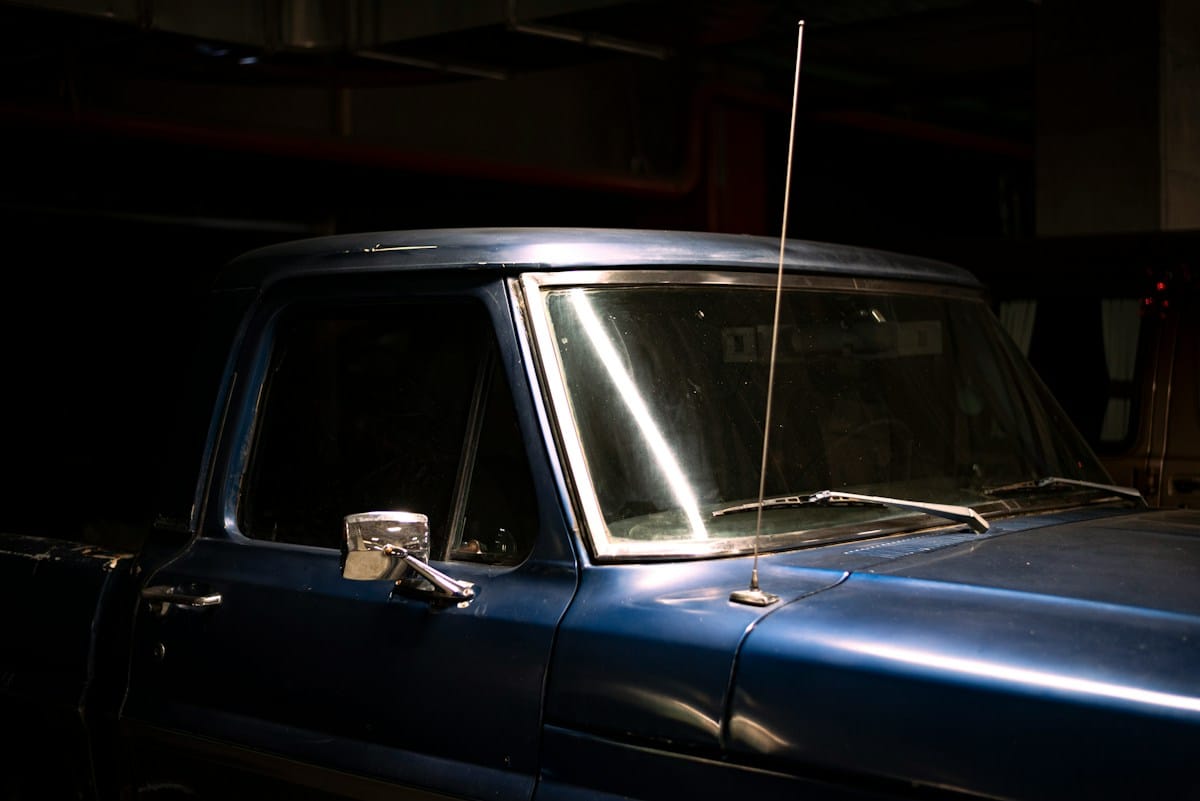
Start by investing in a quality CB unit that supports the 40‑channel band and has a clear display; entry‑level models can be found for as little as $50, while mid‑range radios sit between $150 and $300, offering better noise suppression and programmable memory. Pair the radio with a well‑mounted antenna—an omnidirectional mast typically costs $80 to $120, but a directional “whip” can climb to $200 if you need extended range on mountainous routes.
Next, join an online forum dedicated to long‑haul CB etiquette; most of these communities are free, though some require a modest monthly pledge of $5 to $10 to keep the servers alive. Participate in weekly “open‑mic” hours where drivers exchange route tips, and record the calls you find useful for later reference. This habit creates a personal library of verified information that you can replay before entering a new state or a high‑traffic corridor.
Finally, allocate a small budget for a portable power source, such as a 12‑volt lithium battery pack, which ensures your radio stays alive during long idle periods at rest stops; these packs range from $30 for a basic unit to $90 for a high‑capacity model. By keeping the equipment powered, you avoid the embarrassment of a dead radio when a fellow driver needs a quick heads‑up, preserving the goodwill you’ve cultivated.
What to double‑check before you hand over cash for a CB service
Verify the provider’s license status through the Federal Communications Commission’s online database; an unlicensed seller may offer a cheap unit that lacks the required emission standards, leading to a fine that can reach several hundred dollars. Inspect the radio’s firmware version on the display screen; older software may miss critical channel updates that carriers rely on for safety alerts. Confirm that the antenna’s connector matches your radio’s input type—mix‑matching a PL‑259 plug with a mismatched socket forces an adapter purchase that adds $15 to $25 to the total cost.
Ask for a demonstration of the unit’s signal strength in a noisy parking lot; a clear readout of dBm levels above –70 indicates a solid transmission, while weaker numbers suggest you’ll spend extra time troubleshooting after the sale. Finally, request a written warranty that covers at least twelve months of defects; a verbal promise leaves you exposed if the circuitry fails during a critical weather event.
---
Keep reading

Slash on Summer Fuel by Keeping Your Rig Cool
You’ll learn cheap tricks to stop your cab from turning into a sauna and the ripple effect on fuel mileage. Most guides obsess over air‑condition repairs and ignore the low‑cost tweaks that actually move the needle.