Why a Bad Depot City Can Eat 2 Weeks of Your Time
You’ll learn how depot location shapes deadhead miles, layover costs, and state compliance headaches. Most guides skim the geography and leave you guessing which city actually saves you time.
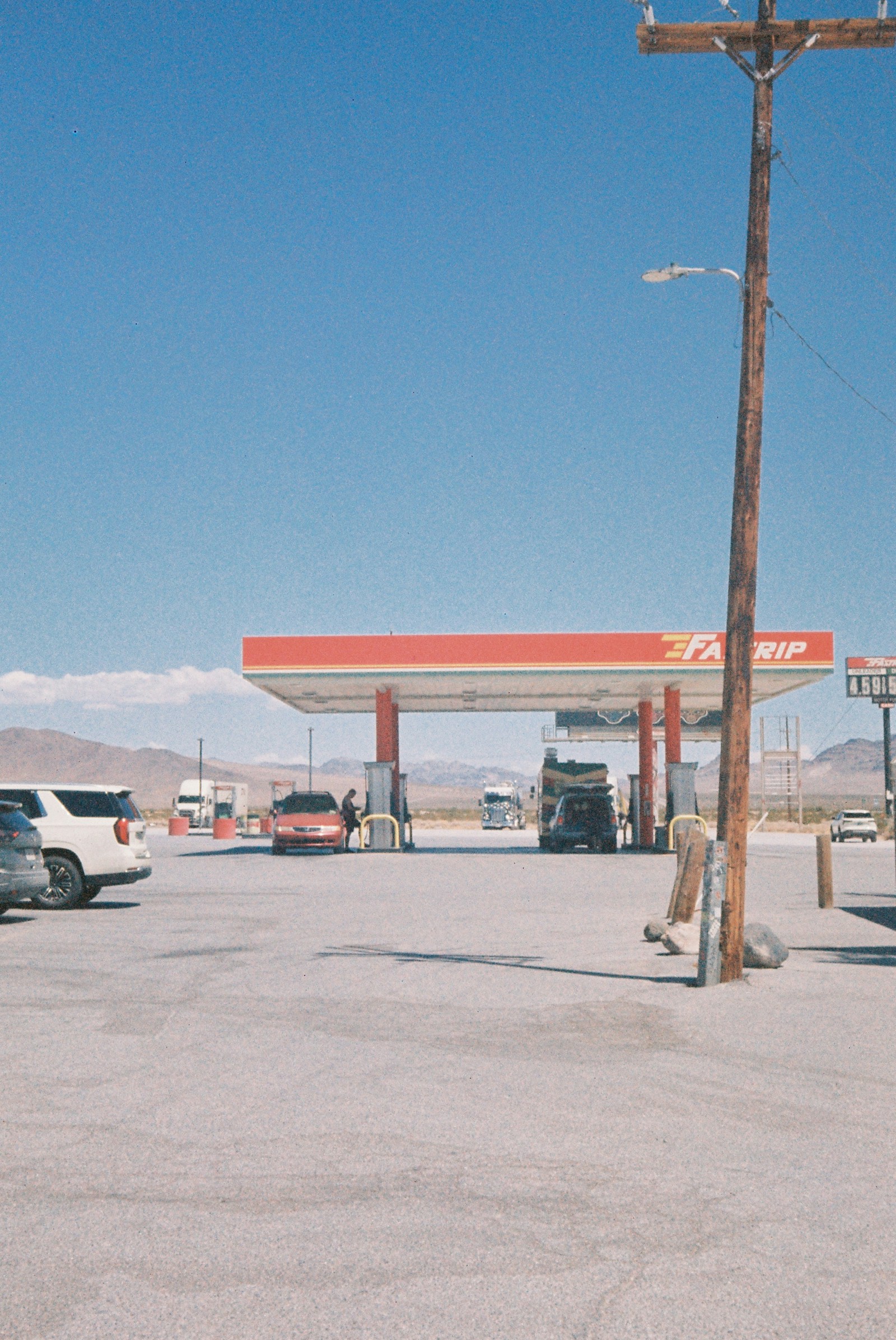
Imagine a night when you finally pull into your home depot after a 12‑hour run, only to discover that the lot is full, the local office is closed, and your next load sits waiting three days away because the nearest terminal can’t accommodate your trailer size. That one misstep can chew weeks off a schedule, inflate fuel burn, and force you into overtime that eats any overtime pay you were counting on.
Does proximity to major interstates outweigh state tax quirks?
When you park in a city that hugs the I‑80 corridor, the mileage you log between loads drops dramatically, but you may also step into a state that levies a commercial vehicle registration fee that climbs each year. Those fees aren’t visible on the dealer’s brochure; they appear on the DMV invoice and can add up to a few hundred dollars per year, a chunk that many rookies overlook until the renewal notice lands in the mail.
Even if the registration cost feels minor, the real sting comes from differing hour‑of‑service (HOS) audit frequencies. Some jurisdictions run random roadside inspections twice a month, while neighboring states conduct them only quarterly. A depot nestled in a high‑audit zone forces you to keep meticulous logs, and a single paperwork slip can trigger a costly compliance hold that stalls your next dispatch.
Can a small Midwestern hub actually cut your deadhead miles?
A depot in a town like Davenport, Iowa, often slips under the radar of big‑company planners, yet its central location can shave ten to twenty deadhead miles per round trip compared to a Chicago base. Fewer trucks crowd the lot, meaning you can secure a spot close to the loading dock without paying premium parking rates that coastal yards demand.

But the trade‑off includes limited after‑hours security and a narrower selection of nearby repair shops, so a breakdown after dark may leave you waiting for a mobile mechanic who charges a travel surcharge. Those hidden time costs become apparent only after a few weeks of grinding the same routes and realizing you’re adding hours to a stop that should have been a quick pull.
Are coastal depots worth the higher parking fees and stricter hour‑of‑service enforcement?
Coastal depots such as those in Long Beach or Savannah boast massive intermodal facilities, yet the price of a parking space can eclipse the revenue of a single short haul. Moreover, port cities enforce stricter HOS rules during peak season, forcing drivers to log additional rest periods that push deliveries beyond the promised window.
However, those same ports provide unparalleled access to containerized freight, allowing a driver to pick up a back‑haul that would be impossible from an inland yard. The net effect is a higher gross per mile, but only if you can absorb the extra downtime and the occasional detention fee that docks levy when trucks wait for crane clearance.
Do border‑town depots simplify cross‑border paperwork or trap you in endless customs queues?
Border‑town depots like Laredo, Texas, sit at the gateway to Mexico, promising a steady stream of cross‑border loads that pay a premium for the paperwork expertise they require. The proximity to customs agents means you can clear a truck in under an hour on a good day, turning a potentially idle evening into a profitable night run.
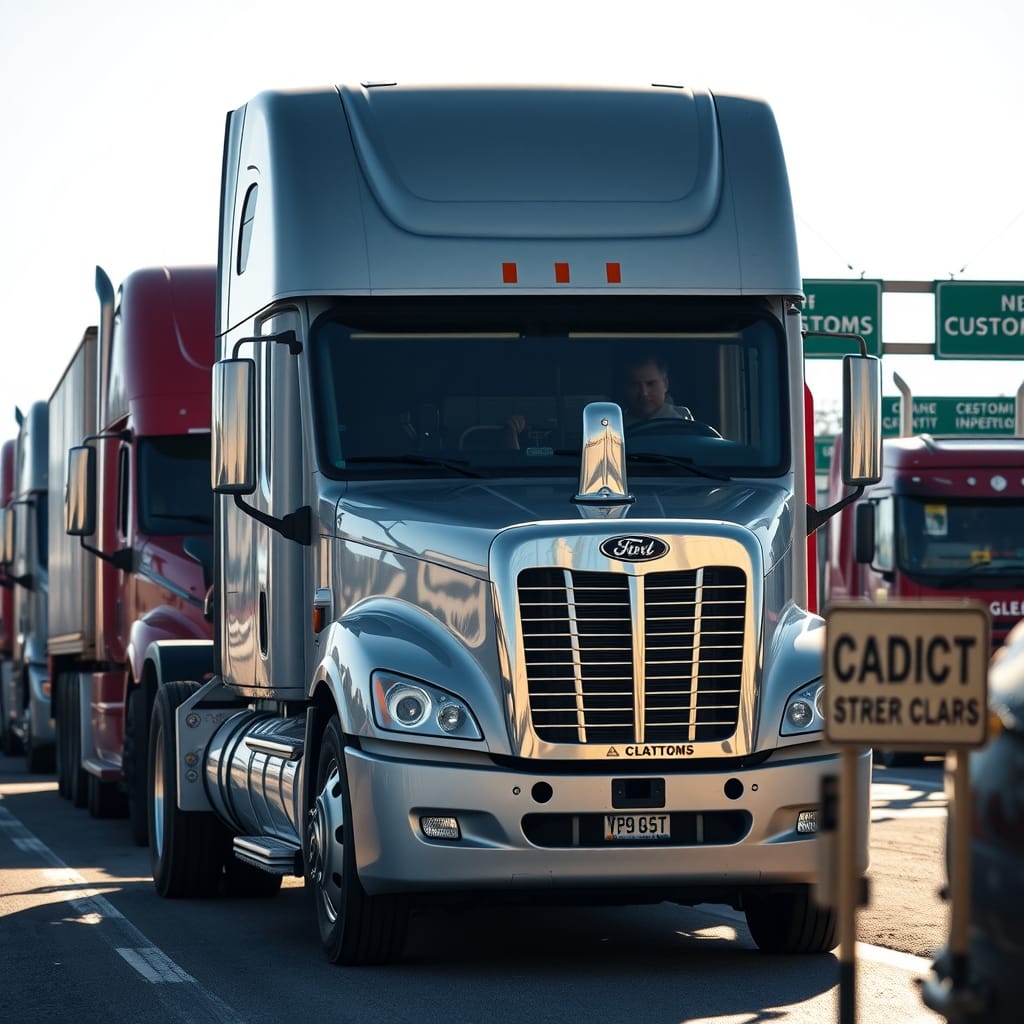
Drivers who rely solely on that efficiency often run into surprise queue spikes during holiday seasons, when inspection lines stretch for miles and the same agents become overwhelmed. Those bottlenecks convert what should be a 30‑minute stop into a multi‑hour delay, eroding the margin that the border premium initially offered.
Practical steps to lock down a home base without burning cash
Start by mapping the average distance between your preferred routes and the top five candidate depots, using a spreadsheet to log deadhead miles, average fuel burn per mile, and estimated parking fees. Plotting those variables reveals which city provides the lowest combined cost, and it highlights outliers like a depot that sits two hours off the main corridor but offers free overnight parking.
Allocate a budget for initial expenses that includes a security deposit for the lot, a one‑time registration surcharge, and a modest allowance for a local mechanic’s retainer. Those line items typically fall within a range of a few hundred dollars up to a low‑four‑figure total, depending on the city’s cost of living and the size of your rig.
Remember to verify the depot’s insurance requirements, because some facilities demand a higher liability coverage limit that can raise your premium by a noticeable chunk. Contact the office directly, ask for a copy of the insurance clause, and compare it against your carrier’s policy before you sign any paperwork.
What to double‑check before you sign any lease or service contract
Before you hand over a check, double‑check the lease’s termination clause, looking for hidden penalties that trigger if you relocate within the first six months. Those clauses often hide a charge that equals a month’s rent, a sum that can derail a cash‑flow plan you built around a steady load schedule.
Finally, walk the lot at night with a flashlight, listening for the hum of idling engines or the clatter of unsecured loads, and ask the manager about the procedure for handling a breakdown after hours. That on‑the‑ground intel can save you from an unexpected tow bill that would otherwise appear on your end‑of‑month statement.
Keep reading
3 Overnight Stops That Save and Give Real Rest
Learn which truck‑stop combos actually deliver sleep, solid food, and quiet without the hidden costs most guides skim over. Most lists focus on mileage alone, ignoring the cash‑sucking extras that turn a night’s stop into a budget nightmare.